Categories
Nawras Blogs

5 Reasons Every Company Needs an Attendance Management System

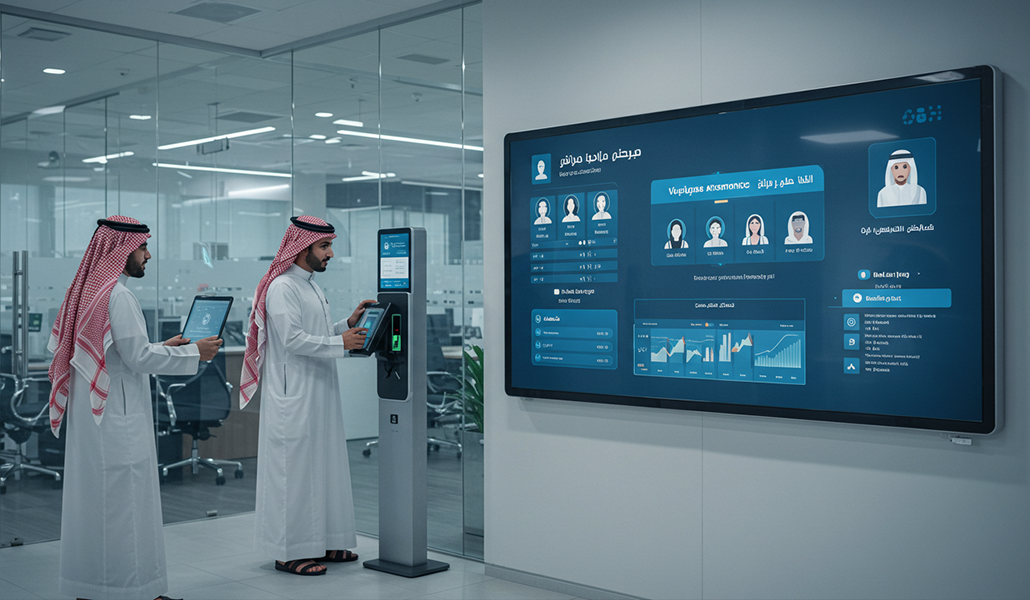
In today’s fast-paced business environment, managing employee attendance has evolved beyond just tracking work hours. With the increasing complexity of organizational operations, businesses need efficient systems to ensure that their workforce remains productive, compliant, and aligned with company goals. Attendance Management Systems (AMS) have become indispensable tools for streamlining these processes. In this article, we’ll explore 5 key reasons why every company needs an attendance management system.

1. Reduces Time Theft and Fraud

One of the most significant challenges businesses face without an attendance management system is time theft.
This occurs when employees clock in early, leave late, or falsify their working hours, leading to financial loss for the company.

How AMS Helps:

An automated attendance system eliminates the possibility of manual clock-ins and outs, ensuring that employee working hours are accurately recorded.
Biometric verification, RFID cards, or mobile-based clock-ins ensure that time records are truthful and tamper-proof.
This drastically reduces time theft, ensuring businesses don’t lose money from inaccurately recorded work hours.

Real-Time Monitoring of Attendance:

AMS allows for real-time tracking of attendance, helping employers catch discrepancies immediately. Managers can receive instant alerts for unauthorized clock-ins, providing an opportunity to take corrective actions before significant issues arise.

2. Improves Accuracy and Compliance

Accurate records of employee attendance are crucial for ensuring compliance with labor laws, tax regulations, and organizational policies.
Mistakes in tracking hours can result in fines, disputes, and even legal actions.

How AMS Helps:

Attendance management systems provide real-time tracking, automatically applying overtime rates, holidays, and leave entitlements based on company policies.
This ensures that the company complies with local labor laws (e.g., Saudi Labor Law) and minimizes the risk of errors in calculating payroll.
For instance, Saudi Labor Law End of Service Benefits requires employers to calculate leave days, bonuses, and other benefits with precision, and AMS ensures that all these details are automatically calculated and documented.

Legal and Tax Compliance:

Modern AMS platforms come with built-in tax compliance features, integrating seamlessly with national and international tax systems. This ensures businesses meet payroll tax obligations without the need for constant manual intervention. By generating accurate and timely reports, companies can avoid penalties and reduce the risk of audits.

3. Saves Time and Reduces Administrative Work

Manual attendance tracking, whether it’s through paper timesheets or spreadsheets, is time-consuming and prone to human error.
Administrative staff spend considerable hours manually entering data, which could be spent on more productive tasks.

How AMS Helps:

By automating attendance tracking, AMS reduces administrative workload, allowing HR departments to focus on higher-value tasks.
The system can also generate automatic reports, track paid/unpaid leave, and integrate directly with payroll systems for smooth processing.
This not only frees up time for HR teams to focus on employee engagement and talent development, but it also reduces the risk of human errors in attendance records, which can lead to payroll mistakes and employee dissatisfaction.

Streamlined HR Functions:

AMS platforms allow for seamless integration with other human resource management tools, including performance evaluations, time-off management, and benefits administration. The automation of these functions streamlines the entire HR workflow, allowing HR departments to operate with greater efficiency.

4. Streamlines Payroll Management

Payroll processing can be a headache when attendance is manually tracked.
Inaccuracies in attendance can result in payroll discrepancies, which, in turn, can lead to employee dissatisfaction and even legal issues.

How AMS Helps:

Attendance management systems integrate seamlessly with payroll systems, ensuring that all leave, overtime, and shift hours are automatically recorded.
By eliminating manual errors, it guarantees correct payroll processing and reduces the chances of delays in payments.
The system also supports different payment methods such as direct deposit, checks, or cash, ensuring flexibility for all employees.

Data Integration and Real-Time Updates:

Modern AMS systems integrate with accounting and HR tools to update payroll in real-time based on attendance data. When an employee clocks in or takes a leave, the payroll system is automatically updated, ensuring that no errors occur, and everyone is paid on time.

5. Increases Employee Accountability and Productivity

Employees who know their attendance is being accurately tracked are less likely to engage in absenteeism or lateness.
Having a transparent system in place also fosters a sense of accountability and responsibility among employees.

How AMS Helps:

AMS provides employees with self-service portals, where they can view their attendance records, request leave, and monitor their worked hours.
This transparency not only boosts productivity but also allows for better workforce management. Additionally, managers can easily spot trends in absenteeism and take necessary action before productivity is affected.
Employee performance improves when employees see that their time and efforts are recognized and rewarded fairly, leading to increased engagement and overall efficiency.

Engagement Through Real-Time Data:

With real-time data, employees can immediately see their attendance patterns, helping them self-correct and stay on track. Having these tools readily available promotes a sense of responsibility, ensuring that employees remain engaged in their roles and strive to meet company goals.

6. Better Control and Forecasting

Effective attendance management goes beyond tracking hours worked. It helps businesses gain insights into future workforce needs and trends.

How AMS Helps:

  • Absenteeism trends: AMS can identify patterns of absenteeism across the organization, allowing businesses to predict and plan for staffing shortages.
  • Workforce forecasting: By analyzing historical attendance data, companies can forecast future demands for labor, allowing them to adjust recruitment and staffing strategies accordingly.
  • Shift planning: For companies operating with shifts, AMS helps create efficient shift schedules based on real-time data, ensuring maximum productivity during peak periods.

The Essential Tool for Modern Businesses

An Attendance Management System is more than just a tool for tracking employee hours — it’s a comprehensive solution that improves operational efficiency, reduces the potential for errors, ensures compliance with laws, and boosts employee morale.

In today’s competitive business world, implementing an AMS is no longer optional — it’s a necessity for businesses aiming to thrive and scale effectively. By streamlining attendance processes, businesses can focus on what truly matters: growth, productivity, and employee satisfaction.


Categories
Nawras Blogs

How HR Solutions Save Time for Business Owners

Managing human resources (HR) is one of the most crucial, yet time-consuming tasks for any business. From recruiting top talent to managing payroll and benefits, handling employee relations, and ensuring compliance with labor laws, the list of HR responsibilities can seem endless. This is where HR solutions come in — offering powerful systems that automate and streamline HR processes, ultimately saving business owners valuable time.

In this article, we will explore how HR solutions help businesses save time, improve efficiency, and focus on growth.

What are HR Solutions?

HR solutions refer to a wide range of systems and services designed to support businesses in managing their workforce more effectively. These solutions can include:

  • HR software (HRIS): Used for automating and managing various HR functions. 
  • Payroll systems: Manage employee compensation, benefits, and taxes. 
  • Recruitment tools: Help businesses streamline their hiring processes. 
  • Performance management systems: Track and improve employee performance. 
  • Learning and development platforms: Enhance skills and professional growth of employees. 

The right HR solution can reduce the administrative burden on business owners, streamline tasks, and free up time to focus on strategic activities.

1. Automating Routine HR Tasks

One of the primary ways HR solutions save time is by automating routine HR tasks. Tasks that traditionally required manual effort and consumed a significant amount of time, such as:

  • Payroll processing 
  • Leave management 
  • Employee data management 
  • Tax compliance 

HR software systems can handle these tasks in a fraction of the time it would take manually. For example, once payroll details are entered into the system, calculations, tax deductions, and other necessary adjustments are done automatically. This not only saves time but also ensures that mistakes are minimized.

How HR Solutions Help:

  • Automated payroll ensures that employees are paid on time, reducing the administrative workload. 
  • Leave management automatically tracks and approves employee leaves, reducing errors and confusion. 
  • Document storage and compliance tracking help ensure that you’re always up to date with labor laws, saving hours of work. 

2. Streamlining Recruitment Processes

Recruiting the right talent is vital for any business, but the process can be incredibly time-consuming. From reviewing resumes to conducting interviews, business owners often spend a significant amount of time sourcing, interviewing, and hiring new employees.

How HR Solutions Help:

HR solutions can streamline recruitment by:

  • Posting job openings across multiple platforms (LinkedIn, job boards, company website) with just a few clicks. 
  • Applicant tracking systems (ATS) automatically filter out unqualified applicants, allowing businesses to focus on the best candidates. 
  • Interview scheduling and feedback management can be automated, saving hours of back-and-forth communication. 

By automating these tasks, HR solutions allow business owners to focus on selecting the right candidates rather than getting bogged down by administrative work.

3. Improving Employee Onboarding and Training

The onboarding process for new employees can be time-consuming and complex, especially in businesses with high turnover. Traditional onboarding requires collecting paperwork, explaining company policies, and manually tracking training progress.

How HR Solutions Help:

HR solutions simplify the onboarding process by providing:

  • Paperless onboarding that allows new hires to fill out all necessary forms online. 
  • Training modules that employees can complete at their own pace, reducing the need for in-person training sessions. 
  • Automated task management that ensures employees complete all onboarding tasks, from watching training videos to reading policy documents, before starting their role. 

This makes the onboarding process more efficient and faster, reducing the amount of time business owners spend on new hire integration.

4. Enhancing Employee Performance Management

Keeping track of employee performance is crucial for the success of a business. However, monitoring performance through manual assessments can be time-consuming and inefficient.

How HR Solutions Help:

Performance management systems allow business owners to:

  • Set clear goals and KPIs for employees that align with organizational objectives. 
  • Automate performance reviews, making the process more structured and objective. 
  • Collect continuous feedback from colleagues and managers, streamlining performance evaluations and helping employees improve on a regular basis. 

With automated systems in place, performance evaluations can be completed more quickly and with better insights, ensuring that employees are on track to meet their targets.

5. Simplifying Compliance and Risk Management

Ensuring compliance with labor laws and tax regulations can be a daunting task. With the ever-changing nature of labor laws, business owners often find themselves spending valuable time keeping up with new regulations and updating their internal systems to remain compliant.

How HR Solutions Help:

HR software can automate many compliance-related tasks, such as:

  • Ensuring accurate tax deductions based on local and national regulations. 
  • Tracking working hours to avoid overtime violations and ensure compliance with labor laws. 
  • Generating reports that track compliance with company policies and government regulations, saving business owners time and reducing the risk of penalties. 

By automating compliance tracking, HR solutions allow business owners to stay compliant with minimal effort, helping avoid costly fines and legal issues.

6. Empowering Employees with Self-Service Portals

Traditional HR departments often require employees to go through HR representatives for simple tasks like requesting leave, accessing payslips, or updating personal details. This not only takes up HR staff time but also adds unnecessary delays for employees.

How HR Solutions Help:

With HR solutions, employees can access their information via a self-service portal. This enables them to:

  • Request time off directly through the portal. 
  • View pay stubs and track their compensation. 
  • Update personal details and contact information without HR involvement. 

This reduces the administrative burden on HR staff, accelerates the process, and gives employees more control over their own information.

Conclusion: Why HR Solutions Are a Game-Changer for Business Owners

Adopting HR solutions is no longer just an option but a necessity for businesses looking to improve efficiency, reduce operational costs, and ensure compliance. From automating routine tasks to streamlining recruitment and enhancing performance management, HR solutions save time for business owners and HR professionals, allowing them to focus on strategic decision-making and long-term growth.

With the right HR solution, companies can:

  • Enhance employee engagement. 
  • Boost productivity. 
  • Reduce administrative workload. 
  • Ensure compliance with laws. 

For businesses of any size, implementing an HR solution is an investment that will pay off by freeing up valuable time, improving operations, and providing a smoother, more efficient HR experience for both employers and employees.

Categories
Nawras Blogs

How to Choose the Right ERP System for Your Saudi Business

In today’s rapidly changing business landscape, Enterprise Resource Planning (ERP) systems have become a cornerstone for organizations aiming to enhance efficiency, optimize workflows, and make data-driven decisions. However, selecting the right ERP system for your Saudi business can be a daunting task given the diverse options available in the market.

As Saudi Arabia continues to experience rapid digital transformation in line with Vision 2030, businesses must embrace ERP systems that align with their specific needs, industry requirements, and the regulatory environment. In this article, we will discuss the key factors that you should consider when choosing an ERP system for your Saudi business.

What is ERP?

Before diving into the selection process, it’s essential to understand what an ERP system is and why it’s important.
An ERP system is a suite of integrated software tools used to manage core business processes, such as:

  • Financial management

  • Human resources

  • Supply chain management

  • Inventory management

  • Customer relationship management (CRM)

By centralizing data and automating workflows, ERP systems help businesses streamline operations, reduce inefficiencies, and improve decision-making.

Key Factors to Consider When Choosing an ERP System for Your Saudi Business

1. Understand Your Business Requirements

Before you even start evaluating ERP vendors, you need to have a clear understanding of your company’s specific needs. Consider the following:

  • Business size and complexity: Is your business growing rapidly? Are you planning to expand into new regions or markets?

  • Industry-specific requirements: Different industries (manufacturing, retail, healthcare, etc.) have different operational needs that an ERP system should support. Ensure the system can be customized to meet your sector’s unique demands.

  • Process automation needs: What processes are you currently doing manually? Which processes would benefit from automation to improve efficiency?

2. Localization and Compliance with Saudi Regulations

One of the most crucial factors when choosing an ERP system for your business in Saudi Arabia is ensuring the software complies with local laws and regulations. Some key considerations include:

  • Zakat and tax compliance: The ERP system should integrate seamlessly with the Zakat, Tax, and Customs Authority (ZATCA) to generate tax reports in compliance with Saudi regulations.

  • SAGIA requirements: If your company operates in the Kingdom as a foreign business, the ERP system should be adaptable to SAGIA (Saudi Arabian General Investment Authority) regulations.

  • HR compliance: The system must align with Saudi labor laws related to employee wages, benefits, working hours, and other HR aspects.

3. Cloud vs. On-Premise Solutions

Another important decision is whether to go for a cloud-based or on-premise ERP. Both options have pros and cons, and choosing between them depends on your company’s needs:

  • Cloud-based ERP: Offers scalability, lower upfront costs, and easy access from anywhere. It’s ideal for businesses that want flexibility and remote access.

  • On-premise ERP: Provides full control over data and security but comes with higher initial costs and more ongoing maintenance requirements.

4. User-Friendliness and Customization

An ERP system should be user-friendly and easy to navigate, especially for employees who may not be tech-savvy. Look for:

  • Ease of use: A system that requires minimal training to get started will ensure faster adoption across your team.

  • Customization options: Your business processes may not fit a one-size-fits-all solution. Choose an ERP that allows customization to tailor workflows, reporting, and other features specific to your business.

5. Vendor Support and Training

Implementing an ERP system is a long-term commitment. Therefore, ongoing support and training from the vendor are essential:

  • Vendor reputation and support: Look for a vendor with a proven track record of supporting businesses in Saudi Arabia and offering timely assistance.

  • Training resources: Make sure the vendor provides comprehensive training programs to ensure your team fully understands how to use the ERP system.

6. Integration with Existing Systems

Most businesses already have a variety of software tools in place. The ERP system you choose should be capable of integrating with these systems for smooth data transfer and business continuity. Integration is critical for:

  • Accounting software

  • Inventory management tools

  • CRM platforms

Ensure the ERP vendor offers robust integration options with third-party systems that your business relies on.

7. Scalability and Flexibility

As your business grows, so should your ERP system. Look for a system that:

  • Can scale with your business, whether you’re adding new users, processes, or geographic locations.

  • Is flexible enough to adapt to new business requirements and market changes.

Scalability ensures that your ERP system continues to meet your business needs in the long term.

Why Choose an ERP System in Saudi Arabia?

Saudi businesses that adopt ERP systems are more equipped to navigate today’s dynamic market environment. ERP systems provide:

  • Real-time insights: Data-driven decision-making is key to staying ahead of competitors. ERP systems offer real-time visibility into your operations, allowing for more informed decisions.

  • Improved productivity: By automating routine tasks, an ERP system saves valuable time, allowing employees to focus on more strategic aspects of the business.

  • Cost savings: With better resource allocation and process automation, businesses can reduce operational costs and improve their bottom line.

  • Better customer service: An integrated ERP system ensures that you can track customer information, sales orders, and inventory in one place, leading to quicker response times and better customer satisfaction.

Choosing the Right ERP System for Your Saudi Business

Choosing the right ERP system is one of the most crucial decisions for any Saudi business looking to stay competitive in the digital age. By considering your company’s unique needs, industry requirements, compliance with local regulations, and scalability, you can make a well-informed decision that sets your business on the path to success.

With the right ERP system in place, businesses can not only streamline their operations but also unlock new opportunities for growth and innovation in Saudi Arabia’s rapidly evolving economy.

Categories
Nawras Blogs

Top Questions Employees Ask About End of Service Benefits Under Saudi Labor Law

Ending a work relationship in Saudi Arabia often raises one of the most common concerns among employees and employers alike — end of service benefits (ESB).

These benefits—often called gratuity—are more than just a legal requirement. They represent appreciation for years of dedication, loyalty, and contribution.

However, understanding Saudi labor law’s end of service benefits can be confusing. This guide answers the most frequently asked questions employees have, simplifying the law’s key provisions and offering practical insights for both workers and HR professionals.

1. What Are End of Service Benefits (ESB) in Saudi Arabia?

Under the Saudi Labor Law, end of service benefits are mandatory payments made by employers to employees when an employment contract ends.

These payments recognize the employee’s service duration, whether the termination is initiated by the employer, employee, or for other legal reasons.

They are governed by Articles 84 and 85 of the Saudi Labor Law, which define entitlement, calculation methods, and exceptions.

In summary:
ESB is calculated based on the employee’s last drawn salary and length of service.

2. Who Is Eligible for ESB?

All employees under the Saudi Labor Law—both Saudi nationals and expatriates—are eligible if they have completed at least two consecutive years with the same employer.

Eligibility includes:

  • Full-time and part-time employees under official contracts
  • Employees terminated by the employer (except under Article 80)
  • Employees who resign after the minimum qualifying period (with partial benefits)

Note: Employees who resign before completing two years are not entitled to ESB unless otherwise stated in their employment contract.

3. How Are End of Service Benefits Calculated?

The Saudi labor law end of service benefits formula depends on both the employee’s duration of service and the reason for termination.

Years of ServiceEntitlement
First 5 yearsHalf a month’s wage for each year
After 5 yearsOne full month’s wage for each additional year

Formula:

(Half month’s salary × 5) + (Full month’s salary × years beyond 5)

Example:
If an employee earns SAR 10,000 per month and worked for 8 years:
= (0.5 × 10,000 × 5) + (1 × 10,000 × 3)
= SAR 25,000 + SAR 30,000
= SAR 55,000 total ESB

4. Do Employees Who Resign Receive ESB?

Yes — but the amount depends on the length of service.

According to Article 85 of the Saudi Labor Law:

  • 2–5 years: One-third of ESB
  • 5–10 years: Two-thirds of ESB
  • 10 years or more: Full ESB

This system encourages long-term employment while ensuring fairness.

5. What Happens if an Employee Is Dismissed?

If dismissal is for valid legal reasons under Article 80 (e.g., misconduct), the employee may lose the right to ESB.

However, if dismissal lacks valid cause, the employee is entitled to full ESB and may also receive compensation ordered by the Labor Court.

Employers must document and justify dismissals to comply with Saudi labor regulations.

6. Are ESB Payments Taxable or Subject to Deductions?

No.
Saudi Arabia does not impose personal income tax, so ESB is not taxable.

However, deductions may apply for unpaid loans or advances, if agreed in writing between both parties.

7. When Should Employers Pay ESB?

According to Article 88 of the Saudi Labor Law:

  • If terminated: within 1 week from contract end
  • If resigned: within 2 weeks after the final working day

Failure to pay on time may lead to labor disputes or penalties if the employee files a complaint with the MHRSD.

8. Can ESB Be Replaced by Another Payment?

Yes — but only under strict conditions.

Employers and employees may agree on alternatives (e.g., pension plans or private gratuity funds) if they provide equal or greater benefits.

The arrangement must be:

  • Documented in the employment contract
  • Approved by Saudi labor authorities

Otherwise, the standard ESB formula applies.

9. How Does ESB Differ for Fixed-Term and Unlimited Contracts?

  • Fixed-term contracts: ESB is calculated based on the full duration of the contract.
  • Unlimited contracts: ESB is calculated up to the actual last working day.

If an employee continues working after a contract expires without renewal, the contract is automatically considered renewed, and ESB continues to accrue.

10. What About Death or Force Majeure Cases?

In case of death, the employee’s legal heirs receive the full ESB, regardless of years of service.

In force majeure situations—such as company closure or national crises—employees still retain their ESB rights under Article 87.

11. How Can Employees Calculate Their ESB Easily?

The Ministry of Human Resources and Social Development (MHRSD) offers an official End of Service Benefits Calculator.

Employees can input:

  • Salary
  • Duration of service
  • Type of contract termination

The calculator instantly provides an estimated ESB amount in line with Saudi Labor Law.
(Available on the official MHRSD website.)

12. What if the Employer Refuses to Pay?

If an employer fails or refuses to pay ESB:

  • The employee may file a complaint through Musaned or Qiwa platforms.
  • The case goes to the Labor Disputes Committee, which reviews evidence (contracts, payslips, etc.) and issues a binding decision.

Saudi law ensures employee protection and enforces penalties for proven violations.

13. How Can Employers Stay Compliant?

Employers can maintain compliance by:

  • Keeping clear digital HR records
  • Documenting all salary changes and service periods
  • Following Articles 84–88 meticulously
  • Using HR software (e.g., Nawras HRMS) for automated calculations

Such systems enhance accuracy, transparency, and audit readiness.

14. What’s the Future of ESB in Saudi Arabia?

With Vision 2030, Saudi Arabia is digitizing labor processes. Soon, ESB settlements will be automated via linked HR platforms and banks, ensuring faster, traceable, and fair transactions.

This modernization aims to strengthen employee rights, employer efficiency, and overall transparency.

Final Thoughts

Understanding Saudi labor law end of service benefits is essential for every employee and employer in the Kingdom.

For employees, it guarantees financial recognition for years of dedication.
For employers, it builds trust and ensures compliance with national labor standards.

Whether you’ve worked two years or twenty, knowing your rights helps turn the end of your service into a fair and well-deserved reward.

Categories
Nawras Blogs

How Talent Acquisition Management Solutions Cut Costs

Does your organization struggle with high operational costs related to recruitment processes? Are you looking for a smart way to reduce expenses without compromising the quality of your human resources? In a rapidly changing world with increasing market challenges, traditional recruitment methods are no longer viable in the long term. This is where talent acquisition management solutions come into play as a strategic tool that enables organizations to recruit talent more efficiently and at lower costs.

In this article, we explore how these solutions can become a central part of your operational strategy to reduce costs and achieve faster, more accurate results. We’ll cover key areas including smart recruitment, improving HR team efficiency, reducing human errors, and accelerating the acquisition of qualified human resources.

How Does Smart Recruitment Contribute to Cost Reduction?

Smart recruitment is one of the most important pillars of moderns, relying on advanced technology to improve recruitment process quality and significantly reduce associated costs.

Improving Advertising Processes and Candidate Outreach

Talent acquisition management solutions platforms help improve advertising strategies through:

• Precise Targeting: Identifying suitable candidates based on required skills and experience, reducing random advertising costs. 

• Multi-Platform Publishing: Ability to post jobs on multiple platforms with a single click, saving time and effort required for manual posting. 

• Data Analytics: Monitoring advertisement performance and continuously optimizing them to achieve the best return on investment.

Reducing Screening and Initial Assessment Costs

• Automated Resume Screening: Using artificial intelligence algorithms to automatically screen and categorize resumes, reducing the working hours required for manual review.

 • Digital Assessment Tests: Conducting skills and ability tests online, saving traditional printing and supervision costs.

 • Automated Initial Assessment: Automatically shortlisting the best candidates based on predefined criteria.

How Do These Solutions Improve HR Team Efficiency?

Talent acquisition management solutions play a pivotal role in improving HR team efficiency and enabling them to achieve better results with less effort and time.

Streamlining Workflows and Improving Coordination

• Unified Interface: Providing a single platform that brings together all stages of the recruitment process, from posting to final hiring. 

• Enhanced Collaboration: Enabling team members to collaborate and communicate effectively about each candidate. 

• Progress Tracking: Monitoring the recruitment process progress for each job and candidate in real-time.

Automating Routine Tasks

• Automated Messaging: Notifying candidates about their application status automatically, saving HR team time. 

• Interview Scheduling: Coordinating interview appointments automatically based on different parties’ availability.

 • Report Generation: Generating detailed reports on recruitment process performance without manual intervention.

Improving Decision Making

• Analytical Data: Providing key performance indicators to measure recruitment process effectiveness.

 • Comparative Assessment: Comparing candidates based on objective and clear criteria. 

• Performance Prediction: Using historical data to predict candidate success in different positions.

You can also read: Choosing the Right Talent Acquisition Management Solutions

How Do Smart Systems Reduce Human Errors?

Human errors are among the biggest challenges facing traditional recruitment processes, potentially leading to significant additional costs and wrong hiring decisions.

Ensuring Assessment Consistency

• Unified Standards: Applying the same assessment criteria to all candidates without bias or variation. 

• Automatic Scoring: Calculating assessment scores automatically based on candidate responses and qualifications. 

• Double Review: Automatically checking data and decisions to ensure accuracy.

Reducing Data Loss Risks

• Secure Cloud Storage: Storing all candidate and job data in a secure and protected cloud environment.

 • Automatic Backups: Ensuring no important information is lost through regular backups.

 • Audit Trail: Tracking all changes and actions to maintain transparency and accountability.

Improving Matching Accuracy

• Artificial Intelligence Algorithms: Using advanced techniques to match candidates with job requirements with high accuracy. 

• Linguistic Analysis: Understanding resume content and job descriptions more accurately than manual review. 

• Continuous Learning: Continuously improving system accuracy by learning from previous data and decisions.

How Do Talent Acquisition Management Solutions Accelerate Qualified Human Resource Provision?

Recruitment speed is one of the decisive factors in organizational success, especially in rapidly changing business environments where companies need to fill vacant positions quickly to avoid productivity impact.

Accelerating Screening and Selection Process

• Automatic Filtering: Automatically removing unqualified candidates, focusing efforts on the most suitable candidates. 

• Candidate Ranking: Ranking candidates according to their job suitability, facilitating the selection process. 

• Instant Notifications: Alerting the recruitment team immediately upon arrival of new qualified candidates.

Improving Candidate Experience

• Simplified Application Process: Facilitating the application process for candidates, increasing the number of qualified applicants.

 • Continuous Communication: Keeping candidates informed about their application status, maintaining their interest. 

• Virtual Interviews: Conducting initial interviews online to save time and costs.

Improving Relationships with Talent Sources

• Talent Database: Building a database of qualified candidates to refer to for future opportunities. 

• Referral Networks: Activating referral programs to attract high-quality talent at lower costs. 

• Long-term Relationships: Building sustainable relationships with outstanding candidates even if they are not hired immediately.

Talent acquisition management solutions represent a strategic step toward reducing operational costs and improving recruitment quality within organizations. They not only save time and money but also enhance HR team efficiency and strengthen the organization’s image in the job market. With increasing challenges in attracting talent, these solutions emerge as an indispensable tool for ambitious organizations.

At Nawras Platform, we believe that any company’s success begins with choosing the right people. Therefore, we provide you with comprehensive solutions that help you recruit the best talent efficiently and professionally, at the lowest possible cost.

Categories
Nawras Blogs

HCM SaaS Implementation Challenges for Companies

Is your company considering transitioning to a cloud-based Human Capital Management system? While this move represents a breakthrough in the HR world, the transition from traditional systems to cloud-based HCM SaaS solutions is not without its challenges. Change isn’t always easy, especially when it involves sensitive data, system integration, and employee readiness to adapt.

In this article, we explore the key challenges organizations face when implementing cloud-based Human Capital Management systems and provide practical solutions to overcome them, ensuring a successful and secure transition that enhances HR efficiency.

How Does Transitioning from Traditional to Cloud Systems Impact Organizations?

The shift from a traditional on-premises system to a cloud-based Human Capital Management system is a strategic decision that requires careful planning and collaboration between different departments. However, this transformation often faces several obstacles:

Resistance to Change Within the Organization

Some employees, especially those in traditional management positions, may resist change due to fear of losing control or difficulty adapting.

Many cling to old systems claiming familiarity and ease of use despite their shortcomings.

Need for Comprehensive Training

HCM SaaS systems require training employees on new tools and technologies, which may cause temporary productivity loss.

Neglecting this step can lead to improper system usage or failure to leverage advanced features.

Time Required for Transformation

Complete transformation may take months and requires precise scheduling to ensure business continuity without interruption.

Some departments may be temporarily affected if there are errors in setup or migration.

Need for Process Re-engineering

Transitioning to a cloud system isn’t just about replacing work interfaces; it’s an opportunity to redesign internal processes to match new tools.

Any negligence in this step may waste system capabilities or disrupt workflow.

How to Overcome Compatibility Challenges with Existing Systems?

One of the most significant technical challenges when adopting HCM SaaS is compatibility and integration with other company systems (such as payroll, attendance, and performance management systems).

Legacy Infrastructure Conflicts

Some legacy systems may not be able to interact with APIs of the new cloud system.

This leads to delays in data transfer or even partial data loss.

Poor Data Connectivity

Companies cannot achieve unified employee visibility if all data isn’t properly linked between systems.

Employee record duplication or data conflicts may appear when integration is absent.

Customization and Integration Costs

Some companies need system customization to match their business nature or internal systems, which increases project costs.

Incorrect or partial integration may lead to complete project failure.

How Do Companies Address This Issue?

  • Ensure choosing a service provider that offers flexible and customizable integration solutions
  • Involve the IT department in planning and setup phases
  • Test system integration in stages before official launch

Read more: Why HCM SaaS Is Key to Smarter HR Management?

How Do Organizations Handle Employee Data Privacy in Cloud Environments?

One of the primary concerns when using HCM SaaS is protecting employee data. Handling data that includes personal information, salaries, and evaluation records requires the highest security levels.

Fear of Cyber Attacks

HR systems are valuable targets for hackers due to the sensitive data they contain.

Lack of adequate security measures may lead to employee information breaches.

Compliance with Local Regulations

The cloud system must comply with data protection laws in the country (such as Saudi Arabia’s Personal Data Protection Law – PDPL).

There may be requirements to store data within the Kingdom according to some regulatory bodies’ requirements.

Access Control Management

The threat doesn’t only come from outside but also from within: employees with broad permissions may misuse data.

Some systems don’t provide sufficient flexibility for precise permission customization.

Possible Solutions:

  • Choose a system that supports complete data encryption during transfer and storage
  • Enable Two-Factor Authentication when accessing the system
  • Adopt strict policies for permission control and monitor access and usage logs

What Criteria Should Be Considered Before Adopting HCM SaaS?

To achieve the best results and avoid risks, organizations must carefully evaluate their options according to the following criteria:

1. Scalability

Can the system grow with company expansion? Does it support multiple branches or remote employees?

2. Regulatory Compliance

Does the system support local laws? Does it allow generating reports compliant with regulatory bodies?

3. User-Friendliness

Is the interface intuitive for employees? Does it provide Arabic language support?

4. Technical Support and After-Sales Service

Is local support available? Are there training materials and a specialized team to accompany the company during implementation?

Are There Reliable Solutions in the Local Market?

Yes, there’s the Noors platform that provides a cloud-based Human Capital Management system designed specifically for the Saudi work environment. These solutions are distinguished by:

  • Compliance with Ministry of Human Resources and Social Insurance systems
  • Support for Arabic and English languages
  • Easy integration with payroll, attendance systems, and government portals
  • Ensuring the highest security levels according to local and international standards

Conclusion

Adopting HCM SaaS represents a pivotal step toward modernizing HR infrastructure in organizations, but it’s not an easy or superficial decision. Success in this transformation requires awareness of challenges, careful planning, and partnership with a technology provider who understands the local market and provides genuine support. With the Nawras platform, you can confidently transition to the digital future of human resources through secure, integrated, and scalable cloud solutions that support your company’s growth and protect your employees’ data.

Categories
Nawras Blogs

Best Human Resource Solutions to Boost Job Satisfaction

Employee retention remains a real challenge for human resources departments. Salary alone is no longer sufficient, and career advancement is not a guaranteed way to ensure loyalty. Employee satisfaction has become the most important factor in determining whether an employee will stay or look for new opportunities. The relationship between the employee and the organization is no longer based solely on performance and evaluation; it has become a human connection based on care, transparency, and appreciation.

In this article, we explore the best human resource solutions that can enhance employee satisfaction and support employee retention within an organization. We will discuss a range of modern tools and strategies that have proven effective in evolving work environments, starting from integrated ERP systems to surveys and ending with smart rewards and incentives programs.

What is the impact of employee satisfaction on retention?

Employee satisfaction not only affects the employee’s behavior within the office but also their crucial decisions, such as whether to stay in the job or submit their resignation. Studies indicate that satisfied employees are 12% to 25% more productive than dissatisfied employees and show more loyalty to their workplace.

How does employee satisfaction affect employee retention?

  • Reduces turnover rates.
  • Enhances team spirit and loyalty to the organization.
  • Improves overall performance and work quality.
  • Boosts the organization’s image as an attractive workplace.

The first step in retaining employees starts with understanding their motivations and meeting their psychological and professional needs, which makes finding the best human resource solutions a strategic necessity for any growing organization.

How ERP Systems Improve Employee Interaction?

An ERP (Enterprise Resource Planning) system is more than just an administrative tool; it is a comprehensive digital platform that facilitates the interaction between employees and human resources management. When used wisely, it can make a real difference in the daily employee experience.

What advantages does the ERP system offer in this context?

  • Easy access to information: Employees can access their personal data, vacation schedule, performance evaluations, and rewards without needing to consult human resources directly.
  • Smoother processes: Requests for vacation, overtime, and performance evaluations are all handled electronically without paperwork or delays.
  • Transparency in interactions: The gap between employees and management is narrowed when employees feel that every procedure is carried out according to a clear, available system.
  • Real-time feedback: The system allows for continuous collection of feedback and employee satisfaction measurement.

By utilizing the best human resource solutions, such as modern ERP systems, effective communication and a more interactive and appreciative work environment can be achieved.

Why should organizations use employee satisfaction surveys?

Surveys are no longer just a tool for gathering data; they are a strategic tool for guiding human resource decisions. Companies that regularly use these surveys show a genuine interest in employees’ opinions, opening the door for positive change.

What benefits do surveys bring?

  • Deeper understanding of employee needs: They directly identify what upsets or motivates employees.
  • Measuring satisfaction across departments: Comparing results across departments helps pinpoint areas of success or improvement.
  • Improved internal communication: Employees feel heard, even if all suggestions are not implemented.
  • Directing policy development: Survey results can help modify internal policies to align with organizational culture.

When integrating surveys within the best human resource solutions, organizations become more adaptable and able to adjust to employee dynamics.

How do rewards and incentive systems improve employee retention?

Motivation is not only about financial rewards but also involves moral recognition, career development, and trust in employees. Many organizations fail to retain top talent because they overlook this vital aspect.

What are the key components of an effective incentive system?

  • Performance-based rewards: Motivating employees based on their actual achievements rather than seniority or favoritism.
  • Moral appreciation programs: Awards like Employee of the Month or recognition during meetings.
  • Professional development opportunities: Offering training and promotion opportunities creates a sense of stability and care.
  • Work flexibility: Whether through remote work or flexible hours.

All of these tools are among the best human resource solutions for retaining talent, provided they are implemented seriously and fairly.

Why a Positive Work Environment Matters?

The work environment is the framework in which all the aforementioned systems and incentives are translated into daily reality. An organization that adopts the best tools without providing an encouraging environment will not yield the desired results.

What elements create a positive work environment?

  • Mutual respect between colleagues and managers.
  • Fair distribution of tasks and promotion opportunities.
  • Clear grievance policies and complaint follow-up.
  • Space for expressing opinions without fear.
  • Attention to the mental and physical health of employees.

Focusing on developing the internal environment should be considered among the best human resource solutions, as it is the hidden factor determining whether an employee will stay or leave.

How should an organization choose the right solutions for its needs?

Not all solutions fit every organization. Therefore, choosing the best human resource solutions depends on variables such as the size of the company, its culture, and the type of employees.

Tips for choosing the most suitable solutions:

  • Regularly assess employee needs through periodic surveys.
  • Select customizable systems according to the industry.
  • Ensure local technical support and after-sales service.
  • Start with a pilot project before scaling up.

In conclusion, the success of organizations in boosting employee satisfaction and retention depends on their ability to adopt smart and integrated tools in human resource management. Here, the Nawras platform stands out as a trusted option that offers you the best human resource solutions designed specifically for the Saudi work environment, from advanced ERP systems to evaluation and incentive tools, and everything you need to create a positive and sustainable work environment that supports your company’s growth and employee well-being. 

Categories
Nawras Blogs

6 Common Mistakes in Employee Attendance Management

Do you think that simply installing an attendance management system in your company means you’ve made significant progress toward improving discipline and productivity? In reality, this isn’t enough. Many organizations fall into recurring mistakes when implementing this type of system, which negatively impacts performance efficiency and job satisfaction. Therefore, it’s important to closely examine these mistakes and learn how to avoid them to ensure maximum benefit from your attendance management system.

In this article, we discuss 6 of the most prominent mistakes, along with practical steps to correct course and ensure system integration with other HR processes within the organization.

Why Do Companies Fail to Choose the Right System for Their Needs?

Companies often rush to select an attendance management system without adequate study of their needs, leading to counterproductive results that affect operations and employees. Here are the reasons why this system fails from the start:

Choosing a System That Doesn’t Match Company Size or Work Nature

In many cases, companies choose systems based on superficial recommendations or specific budgets, without considering the following:

Underestimating the Real Number of Users: Many companies underestimate the number of employees who will use the system, leading to choosing a system incapable of scaling.

Ignoring Work Environment Characteristics: Industrial companies need systems resistant to harsh conditions, while technology companies may need greater flexibility for remote work.

Not Considering Different Work Patterns: Companies operating on shift systems need different features from those working fixed hours.

Neglecting Local Legislation Requirements: Each country has different labor laws that the system must support.

Lack of Integration Between the System and Other HR Systems

One of the costly mistakes is adopting an attendance management system as a standalone tool without linking it to other HR systems, such as payroll management or performance evaluation, leading to:

  • Data Transfer Difficulties: Lack of integration means needing to manually enter data into multiple systems, increasing error probability
  • Information Conflicts: Having different data in different systems leads to wrong management decisions
  • Process Delays: Lack of automation means more time required to complete administrative tasks
  • Additional Development Costs: Attempting to link systems later may be more expensive than planning for integration from the beginning

Poor Employee Training on System Usage

Even the best attendance management system won’t be useful if employees don’t know how to use it correctly. Many companies assume the system is intuitive and overlook the training aspect, resulting in:

  • Change Resistance: Employees who don’t receive adequate training tend to resist the new system and stick to old methods
  • Usage Errors: Not understanding the system leads to errors in attendance recording, affecting data accuracy
  • Decreased Productivity: Time wasted trying to understand the system without proper training affects employee productivity
  • Increased Technical Support Costs: Poor training leads to more inquiries and problems requiring technical support

Relying on Manual or Traditional Methods Despite Available Technology

Some organizations still use paper signatures or Excel spreadsheet login, despite the availability of smart and user-friendly digital systems. This can result in:

  • High Manipulation Possibility: Manual methods are more susceptible to manipulation and cheating by employees
  • Tracking and Review Difficulties: Manual data is harder to track and review compared to digital data
  • Slow Data Processing: Converting manual data to useful information requires significant time and effort
  • Calculation Inaccuracy: Relying on manual calculations increases error probability in hours and salary calculations

Ignoring System Updates and Keeping Pace with Technological Changes

Many companies rely on attendance management systems for years without upgrades or updates, leading to:

  • Increasing Security Issues: Old systems are more vulnerable to security gaps and cyber attacks
  • Incompatibility with Modern Technologies: Non-updated systems may not be compatible with new devices or software
  • Lost Advanced Features: Updates often bring new features that improve performance and ease of use
  • High Maintenance Costs: Old systems require more maintenance and are more prone to breakdowns

Poor Data Utilization and Lack of Analysis for Performance Improvement

One of the most important benefits of attendance management systems is the abundance of data that can be analyzed to discover patterns and improve work efficiency. However, this often happens:

  • Ignoring Advanced Analytics: Not using available analysis tools means losing great improvement opportunities
  • Not Understanding Work Patterns: Data reveals attendance and absence patterns that can be used to improve scheduling
  • Missing Savings Opportunities: Data analysis can reveal opportunities for cost savings and efficiency improvement
  • Not Making Data-Driven Decisions: Relying on intuition instead of data leads to less accurate decisions

How to Avoid These Mistakes?

Avoiding common mistakes in implementing attendance management systems requires careful planning and precise execution. Companies must follow a scientific methodology in selecting and implementing the system, from studying needs to training and continuous monitoring. Investing the necessary time and resources to avoid these mistakes will lead to better results and greater return on investment. Steps for Correction and Improvement:

Comprehensive Strategic Planning

  • Deep Needs Study: Conduct comprehensive analysis of company requirements, including employee size, work nature, and available budget
  • Clear Objective Setting: Establish specific and measurable goals from system implementation
  • Market Research: Compare available market options and evaluate them based on identified needs
  • Integration Planning: Ensure system compatibility with existing and future systems

Choosing the Right System

  • Scalability Consideration: Choose a system that can grow with company growth
  • Technical Compatibility Assurance: Verify system compatibility with existing infrastructure
  • Technical Support Evaluation: Choose a supplier providing reliable and continuous technical support
  • Trial Period: Request a trial period to test the system before final commitment

Gradual Implementation and Comprehensive Training

  • Phased Implementation: Start implementation with a small department then expand gradually
  • Comprehensive Training Program: Establish a graduated training program covering all employees
  • Diverse Training Materials: Use videos, user guides, and interactive workshops
  • Internal Support System: Assign trained employees to be the first point of contact for inquiries

 Continuous Monitoring and Improvement

  • Performance Monitoring: Track key performance indicators to ensure goal achievement
  • Feedback Collection: Regularly get employee opinions to improve the system
  • Regular Updates: Establish a schedule for updates and periodic maintenance
  • Continuous Development: Look for opportunities to improve the system and add new features

Maximum Data Utilization

  • Regular Data Analysis: Establish monthly or quarterly routine for analyzing attendance data
  • Custom Reports: Create custom reports meeting different management needs
  • Data-Driven Decision Making: Use analytics to make decisions about scheduling and human resources
  • Continuous Improvement: Use results to improve policies and procedures

Ultimately, the success of attendance management systems doesn’t depend only on the technology used, but on how it’s implemented and how well it fits the company’s and employees’ needs. By avoiding the common mistakes we discussed and adopting a thoughtful approach that includes planning, training, integration, and continuous improvement, organizations can transform this system from an administrative burden into a strategic tool that enhances efficiency and supports HR decisions. With the Nawras platform, we help you achieve this goal through smart and integrated solutions designed to suit your operational environment and support your growth with confidence.

Categories
Nawras Blogs

The Best ERP in Saudi Arabia and Their Impact on Businesses

Do you think adopting an ERP system in Saudi Arabia is merely a technical step? In reality, this digital transformation has become one of the most critical strategic decisions companies in the Kingdom make to boost operational efficiency and support growth and expansion. With increasing competition and rapid developments in the business environment, implementing erp in Saudi Arabia is no longer optional—it’s a necessity.

In this article, we explore the leading ERP systems in Saudi Arabia, highlight their benefits and challenges, explain how to choose the right solution for your company, and emphasize the role of local technical support and best practices for successful ERP implementation.

What Are the Top ERP Systems Available in Saudi Arabia?

Saudi Arabia’s ERP market has grown significantly, with both global and local vendors offering diverse solutions that cater to various sectors. The most commonly used ERP systems in Saudi Arabia include:

  • SAP ERP: Globally recognized and widely used by large corporations, especially in the industrial sector. It offers deep functionality and high flexibility.
  • Oracle NetSuite: A cloud-based solution popular among mid-sized businesses due to its scalability and integration capabilities.
  • Microsoft Dynamics 365: Known for its user-friendly interface, especially for companies using the Microsoft ecosystem. It supports both administrative and commercial operations efficiently.
  • Odoo ERP: An open-source option gaining traction among small and medium-sized enterprises, offering high customization potential at a lower cost.

What Are the Key Benefits of erp in Saudi Arabia?

Implementing erp in Saudi Arabia brings a wide array of strategic advantages that strengthen a company’s competitive edge and operational readiness:

Improved Internal Operations

ERP systems unify different departments such as HR, finance, inventory, and procurement. This integration allows for streamlined processes, reduced manual effort, and a clear overview of business functions.

Reduced Errors and Better Data Accuracy

Automation eliminates manual data entry and duplication errors. This leads to higher data reliability and reduces losses from poor decision-making based on inaccurate information.

Enhanced Decision-Making Capabilities

Real-time reporting and dashboards give management accurate insights into performance indicators across departments. This helps leaders make informed, strategic decisions quickly.

Full Compliance with Local Regulations

Modern erp in Saudi Arabia is designed to comply with local tax and accounting laws, including VAT and Zakat requirements set by the Zakat, Tax and Customs Authority (ZATCA), ensuring accurate reporting and avoiding legal penalties.

Scalability and Support for Business Expansion

One of the biggest advantages of ERP systems in the Kingdom is their ability to support geographic and structural growth. Whether expanding regionally or globally, ERP platforms allow unified management across locations.

You can also read about this: Future of ERP in Saudi Arabia: New Trends Until 2030

What Challenges Do Saudi Companies Face with ERP?

Despite the many advantages, companies implementing erp in Saudi Arabia may face several challenges:

  • High Initial Costs: Especially for global systems, including software licensing, training, and customization expenses.
  • Adoption Barriers: Employees might find it difficult to adapt to new systems without adequate training.
  • Customization Issues: Some ERP platforms may not align with local business models without extensive configuration.
  • Lack of Local Support: International vendors might not have a local presence, delaying support and troubleshooting.
  • Implementation Delays: Underestimating time and resources needed for proper system deployment can result in significant project setbacks.

How Can Saudi Businesses Choose the Right ERP System?

Selecting the best erp in Saudi Arabia involves a structured evaluation of the company’s current and future needs. Key considerations include:

  • Internal Requirements: Identify essential functions that the ERP must support.
  • Budget Constraints: Make sure the total cost of ownership aligns with your financial capacity.
  • Scalability: Choose a system that grows with your business.
  • Arabic Language Support: Ensure reports and training materials are available in Arabic.
  • Availability of Local Service Providers: Local partners ensure smoother maintenance and implementation.

Why Is Local Support Critical to ERP Success?

Having access to local ERP support is crucial for the long-term success of the system. Here’s why:

  • Faster Issue Resolution: Local teams can offer timely support without timezone or language barriers.
  • Employee Training: Saudi-based consultants provide culturally relevant and language-appropriate training programs.
  • Regulatory Compliance: Local providers are better equipped to ensure alignment with Saudi laws.
  • Simplified Updates: Keeping up with regulatory changes is easier with local implementation partners.

What Are the Best Practices for Implementing ERP in Saudi Arabia?

To maximize the return on investment and avoid costly mistakes, consider the following best practices:

  • Establish an Internal ERP Project Team: Assign a dedicated team to coordinate with the vendor and oversee implementation.
  • Rollout in Phases: Avoid system overload by implementing modules gradually.
  • Start Employee Training Early: Help staff embrace the new system by providing early and continuous training.
  • Monitor Post-Launch Performance: Use KPIs to track adoption and identify any process gaps.
  • Engage Independent ERP Consultants: Neutral third-party advisors can ensure unbiased reviews and guide you through potential pitfalls.

Choosing and implementing an erp in Saudi Arabia is a strategic move toward improving operational efficiency and making better business decisions. With a wide range of options available, Nawras stands out as a reliable and locally adapted ERP solution tailored for the Saudi market.

Through intelligent integration, local compliance, and dedicated technical support, Nawras helps companies transform administrative challenges into sustainable growth opportunities. Trusting Nawras isn’t just a technology upgrade—it’s a step toward a more efficient, transparent, and successful business future.

Categories
Nawras Blogs

Can You Negotiate Saudi Labor Law End of Service Benefits?

Saudi labor law end of service benefits are a vital component of ensuring an employee’s future security after the end of their contractual relationship with the employer. With an increasing number of employees entering into various contracts, legitimate questions arise regarding whether employees can negotiate these benefits: Is it legally allowed to modify or negotiate these benefits? Can they be improved or changed with the agreement of both parties? What are the legal limits to such negotiations?

In this article, we explore the legal and professional answers to these questions, clarifying when employees can negotiate, when such negotiations would violate labor laws, and offering guidelines that protect the rights of the weaker party in the contractual relationship: the employee.

What is the Stance of Saudi Labor Law on End of Service Benefits?

Saudi labor law end of service benefits are a fixed right for the employee, guaranteeing them a financial sum upon the termination of the employment relationship, whether the contract is fixed-term or indefinite. These rights are clearly outlined in Article (84) of the Labor Law.

Key Legal Points:

  • The benefits are calculated based on half a month’s wage for each year of the first five years and a full month’s wage for each subsequent year.
  • Resignation affects the value of the benefits, as the percentage decreases in cases of voluntary resignation (depending on the years of service).
  • Employees cannot waive their benefits or agree to reduce them in violation of the law; any agreement to do so is considered null, even if a contract is signed to this effect.

Thus, the system guarantees the employee the minimum end of service benefits, preventing any reduction. However, it does not prohibit increasing or improving these benefits by mutual agreement, which we discuss in the next section.

Can End of Service Benefits Be Modified When Signing the Contract?

When signing an employment contract, a clause related to saudi labor law end of service benefits may be introduced, whether increasing them, linking them to performance indicators, or offering them in a different financial form.

In the following, we clarify the conditions under which any agreement to modify the benefits would be valid:

Improvement of Benefits: Employers may offer employees a higher benefit than the statutory minimum provided by the labor law.

Reduction of Benefits: No clause in the contract can reduce the employee’s basic rights, including end of service benefits.

Documentation of Clauses: Any agreement to improve the benefits must be documented in the contract or official appendices. Oral agreements or unrecorded deals are not legally binding in case of a dispute.

Thus, negotiating the benefits is possible and permissible, provided that it does not infringe on the employee’s fundamental rights, and is not aimed at circumventing the law.

Can Negotiation Occur Upon Termination of Service?

In some cases, after the contractual relationship has ended, both parties may enter into negotiations for a comprehensive settlement that includes Saudi labor law end of service benefits, especially in cases of dispute or abrupt termination. In this context, we distinguish between two cases:

1. Termination by Mutual Agreement

  • Employees and employers may agree on a settlement that includes end of service benefits, as long as the settlement does not fall below the statutory minimum.
  • Some companies may offer employees compensation higher than the statutory benefits in exchange for signing a waiver of future claims.

2. Unilateral Termination or Resignation

  • In cases of wrongful dismissal, the employee may request compensation above the statutory benefit, and it may be negotiated during the dispute resolution process.
  • For resignation cases, the benefit calculation is still subject to the number of years the employee has worked, and negotiation for increasing it is only possible with the employer’s consent.

Negotiation at this stage is not a legal right but can be a friendly settlement, provided that the employee’s minimum rights, as defined by the law, are maintained.

What Is the Impact of Negotiation on Employee Rights?

It is important to note that an imbalanced negotiation may lead the employee to waive their rights without realizing it. Here, the sensitive aspect of the issue arises.

Impact of Negotiations on the Entitlement to Benefits:

  • Signing a final settlement without legal review may cause the employee to lose their right to claim later, even if they did not receive their full entitlement.
  • A written agreement that increases the benefit reflects the employer’s goodwill and can be positively utilized.
  • Any agreement that reduces the legal benefit is considered void under Saudi labor law.
  • In case of dispute, official documents are required to prove the employee’s right or lack thereof, not just claims.

Therefore, it is always advisable for employees to negotiate from a position of legal knowledge, or in the presence of a legal consultant or a representative from human resources.

What Is the Legal Framework for Negotiation?

Any negotiation regarding saudi labor law end of service benefits must occur within the boundaries set by the system, which aims to protect the employee’s rights.

Key Legal Principles Governing This Negotiation:

The Contract Does Not Override the Law: Any clause in the contract that contradicts the law is considered null, even if both parties agree to it.

Acquired Rights Cannot Be Waived: Rights cannot be waived simply by signing a contract, except if the increase is mutually agreed upon.

Negotiation is Permitted to Improve, Not to Reduce: Negotiation is allowed to improve the benefits, not to lower them.

Arbitration in Case of Dispute: If an agreement cannot be reached, the employee can refer to official bodies, such as the labor office or labor court.

In this context, it is important for negotiations to be written, documented, and based on a clear understanding of rights and obligations.

How Does Nawras Support This Process?

In light of the challenges companies face in managing salaries and end of service compensations, the Nawras platform provides an intelligent solution that supports both employers and employees.

What Does Nawras Offer in This Context?

  • Integrated systems for accurately calculating end of service benefits according to Saudi labor law.
  • Electronic documentation of contracts and bonus clauses to prevent any legal disputes.
  • Issuance of final settlements in legally approved formats.
  • Synchronization between attendance data and payroll to ensure accurate compensation calculations.
  • Instant reports that help make fair decisions regarding benefits and entitlements upon termination of service.

Understanding employee rights and dealing with saudi labor law end of service benefits is essential for successful human resources management. Through the Nawras platform, businesses can overcome legal and administrative complexities with ease, thanks to intelligent systems that ensure accuracy in calculating benefits, documenting settlements, and full compliance with local regulations. Relying on Nawras not only streamlines procedures but also fosters a transparent working environment that maintains rights and builds trust between companies and employees.